Rumenotomy in cattle
Rumenotomy is indicated for vagal indigestion, hardware disease, rumen acidosis, and some forms of choke. Rumenotomy allows exploration of the rumen, reticulum, and parts of the omasum.
Bumblefoot in Chicken (Poultry)
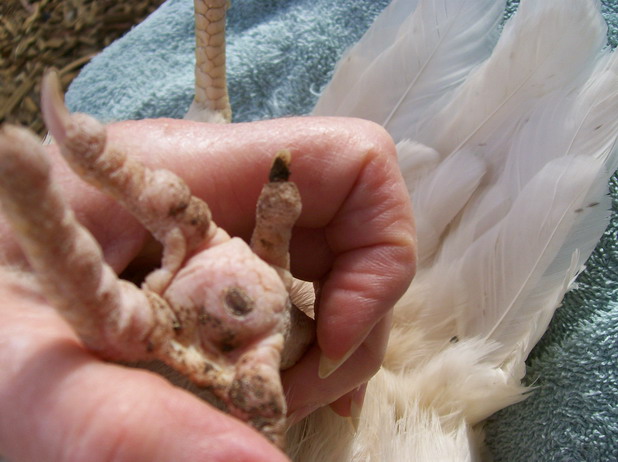
Bumblefoot, also known as pododermatitis, is a common inflammatory condition affecting the bottom of the chicken’s foot. The most frequent presentation is the presence of a hard, puss-filled abscess covered by a brown to black colored scab.
Hypomagnesaemia (Grass Staggers/Tetany)
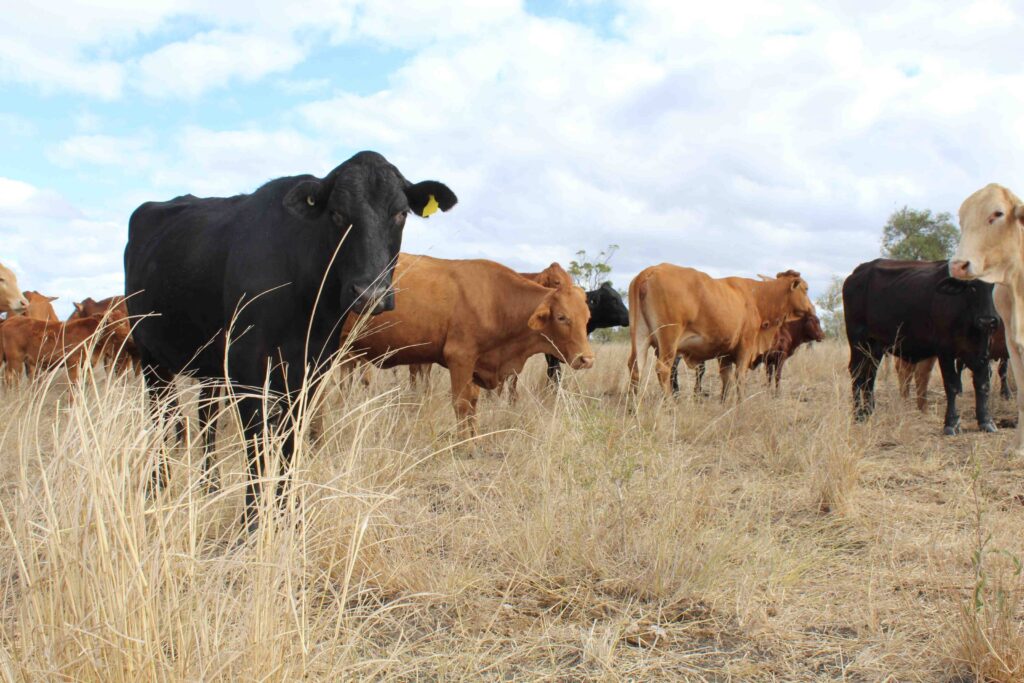
Hypomagnesaemia occurs when the intake of magnesium is exceeded by its output. The clinical signs can occur very quickly because the cow does not store magnesium, and is thus reliant on its daily dietary intake.
Artificial insemination (AI) techniques in cow
The technique of inseminating a cow is a skill requiring adequate knowledge, experience, and patience. Improper AI techniques can negate all other efforts to obtain conception.
Traumatic Reticulitis

Traumatic reticulitis is primarily a disease of adult cattle. It occurs when pieces of wire, or other sharp metal objects, which have been eaten by the cow along with its food penetrate the reticulum wall (as a result of the contractions during the cudding process).
Infertility in cow. Why is your cow struggling to conceive?
A cow is infertile when it is unable to deliver a viable egg, conceive after a successful mating, or carry a pregnancy to term and deliver a healthy calf.
Lumpy skin disease: Cause, symptoms, treatment & control

Lumpy skin disease (LSD) is an acute viral disease of cattle characterized by the eruption of variably sized skin nodules, edema of the limbs, and swelling of the superficial lymph nodes.
Pregnancy diagnosis in cow: Rectal palpation, ultrasound

etection is good, not all of these cows will be pregnant. On the other hand, up to 7% of pregnant cows will show some signs of oestrus during pregnancy. Insemination of these animals may result in embryonic or fetal death
Tuberculosis (Cause, symptoms, diagnosis, and treatment)

Tuberculosis is a chronic, contagious, granulomatous disease characterized by the development of tubercle nodules followed by caseation and calcification, debility, and muscle wasting. The disease is transmissible between animal and human beings.
Ketosis in different farm animals
Nutritional or metabolic deficiency in high-yielding cows in early lactation results in negative energy balance.