Hypomagnesaemia (Grass Staggers/Tetany)
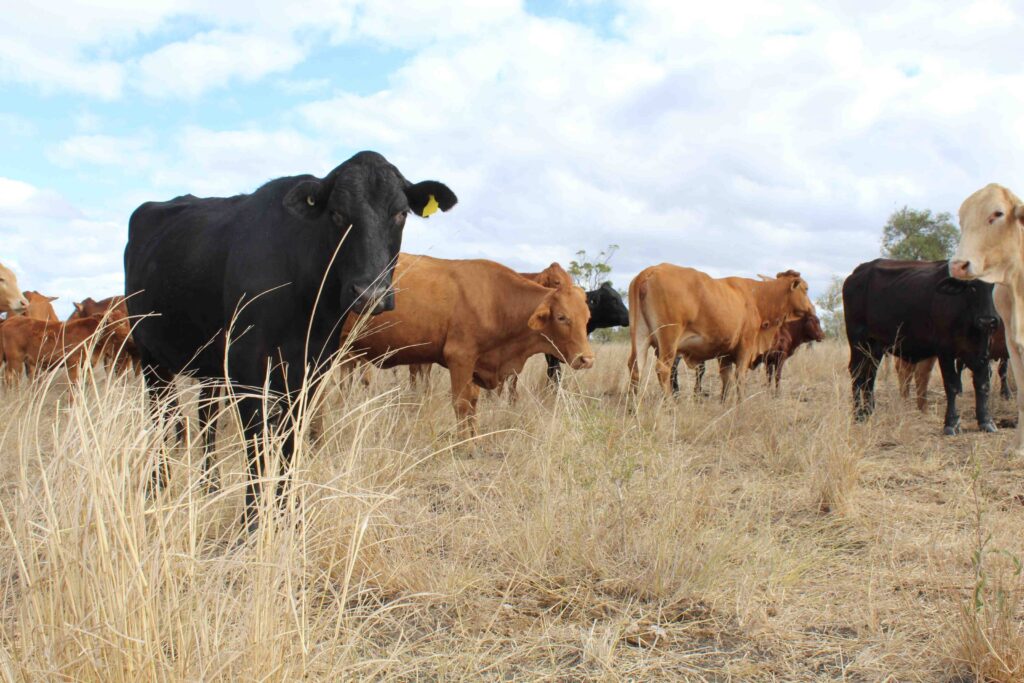
Hypomagnesaemia occurs when the intake of magnesium is exceeded by its output. The clinical signs can occur very quickly because the cow does not store magnesium, and is thus reliant on its daily dietary intake.
Traumatic Reticulitis

Traumatic reticulitis is primarily a disease of adult cattle. It occurs when pieces of wire, or other sharp metal objects, which have been eaten by the cow along with its food penetrate the reticulum wall (as a result of the contractions during the cudding process).
Ketosis in different farm animals
Nutritional or metabolic deficiency in high-yielding cows in early lactation results in negative energy balance.
Postparturient hemoglobinuria (PPH) in animals
A disease of high-producing dairy cows occurring soon after calving. It is also called postparturient hemoglobinuria and is characterized by intravascular hemolysis, hemoglobinuria, and anemia. Etiology a. Ration low in P, hay and grass from low P area, draughtb. Cu deficiency (incidence reduced when supplemented) Precipitating factor b. Grazing Brassica sp. plants, rape and turnip […]
Osteomalacia (Causes, Symptoms, and Treatment)

Softening of mature bone due to extensive resorption and failure of mineralization of newly formed matrix. There is no enlargement at the ends of long bones but spontaneous fracture.
Osteodystrophia Fibrosa (Causes, symptoms, and treatment)
• This is a general term for the diseases of bone which may be due to failure of normal development or abnormal metabolism of the mature bone.
LACTATION TETANY IN MARES
Severe cases -sweat profusely, difficulty in moving because of tetany and in-coordination, stiff gait, the tail is slightly raised, rapid violent respiration, wide dilatation of nostrils, distinct thumping sound from the chest(due to spasm of the diaphragm), muscular fibrillation-masseter trismus, no prolapse of membrane nictitans.
Downer cow syndrome in cattle
• Downer – unable to rise after 24 hrs and after 2 Calcium treatments. • Usually occurs as a complication following hypocalcaemic parturient paresis. Characterized clinically by, Prolonged recumbency even after 2 successive Ca therapy Down at least for 24 hrs without any apparent reason Traumatic injury to limb muscles and nerves Ischemic necrosis of […]
ACUTE PARTURIENT HYPOCALCEMIA IN BITCHES
It is a metabolic disease occurring commonly in young bitches within 2-10 days of whelping and clinically characterized by restlessness, excitement, panting, and tonic-clonic convulsions.
ACUTE PARTURIENT HYPOCALCAEMIA IN GOATS
A depression of ionized calcium in tissue fluid is the basic biochemical defect in acute parturient hypocalcemia.